
Fats and oils are often used for cooking, helping to temper the high heat when sautéing in a pan and imparting some of their flavour into our food. Today oil is used the most but from what I’ve seen and heard, we’re quite often using a lot more than we need when it comes to cooking.
Really we only need about a teaspoons worth of oil to cook in a pan, sometimes a little more but our food doesn’t ever need to be swimming in it. In fact you can sauté your onions in a pan without any oil as really its only the heat we’re after.
Both fats [from animals] and oils [from seeds] have their benefits and their downsides, but if used in a sparring manner then the downsides are very minimal, leaving you to choose which one you think works best for you.
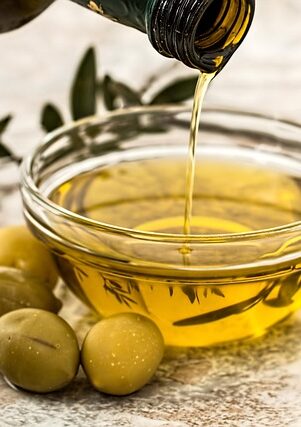
A little oil is great for day to day cooking, some oils like olive oil can be very healthy for us, Rapeseed oil can contain some great nutrients and help lower cholesterol, however this is though only true if you’re buying good quality cold pressed oil. Cheaper highly processed oils often strip out these nutrients and can contain unhealthy compounds which then leaves us with an oil with no health benefits.
Fats on the other hand are rich in natural vitamins (Vitamin A, E, D and K) and often pack a much richer flavour for cooking. They can be high in saturated fats, which is where they get their bad rep, especially with people looking to lower their cholesterol, but again we’re not looking to drink it on a daily basis, and consumed with a good varied diet the animal fats actually tend to win out in terms of benefits.
Make Your Own Fats
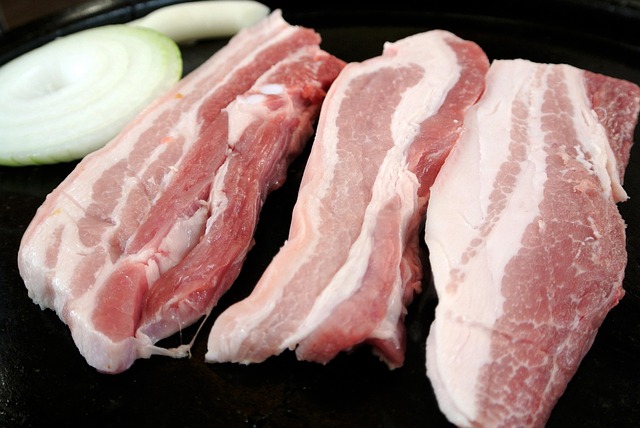
Which brings us on to being able to make our own fats, which we can often use the parts of meat we don’t always eat or we even discard of. Once made we can then store and even freeze for use whenever we want them. There are a few ways we can do this.
The simplest method is to ‘render down’ any fat from our meat that we might not want to cook and eat.
Sometimes trimming excess fat of our meat, especially lean meat like a pork loin, helps us to cook our pork quicker, without drying it out and we can then separately render down the fat to use with other things.
Any animal fats will work, from chicken or duck skins to pork or beef fat. Render and store them all for a collection of flavours to use in your cooking.
HOW?
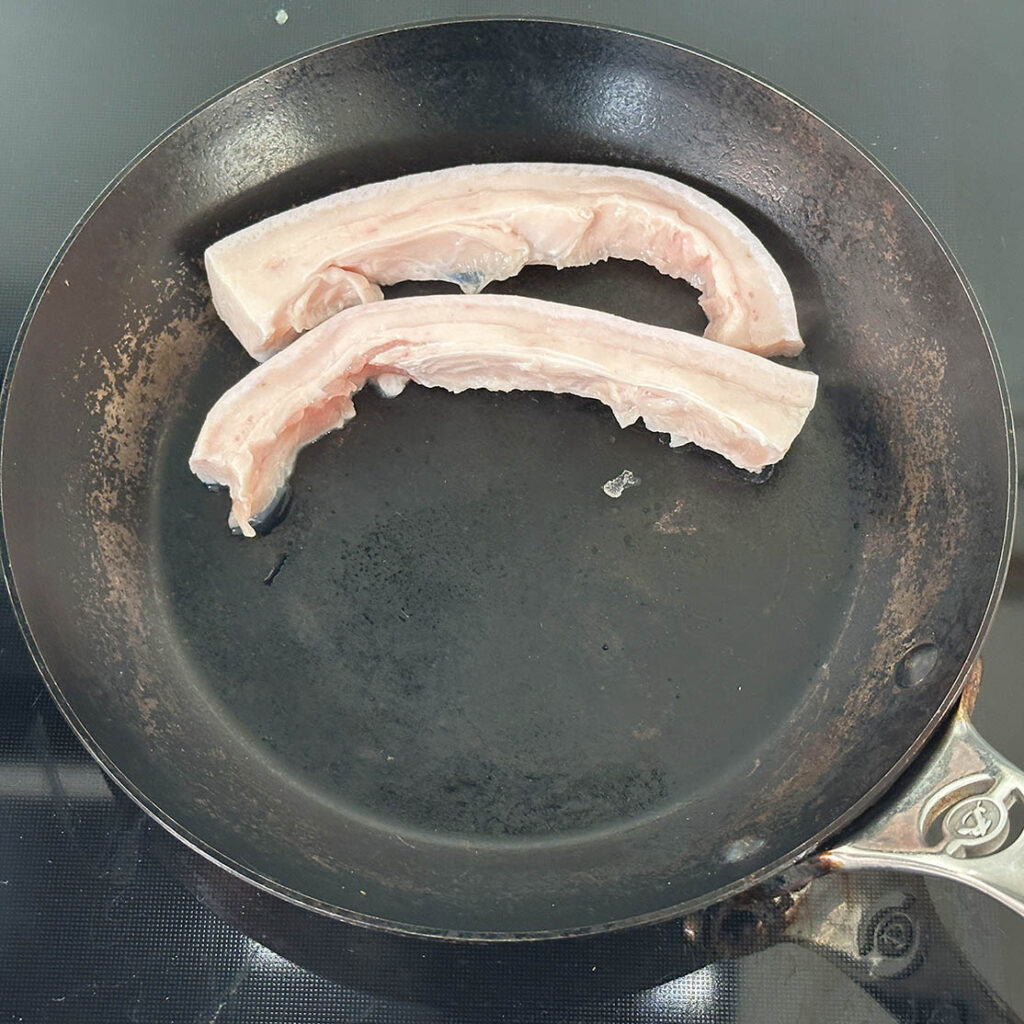
A quick way to do this add your trimmed fat or skin to a pan and heat the pan on a medium to high heat. Allow the fat to start to cook and brown a little, then pour over some boiling water about half a cm deep in the pan and cover. The boiling water will help to render down the fat quicker by distributing the heat around the solid fat and not letting it burn. Make sure to keep the heat in the pan up with the water is bubbling away (100oC or as close to). The water will slowly evaporate and the fat should start to render down and ‘melt’ in the pan. As soon as all the water has gone, turn down to a medium heat to low heat, covered with a lid if possible for 15 minutes or so to draw all the fat out, keeping an eye on it so not to burn the fat cooking, turn down to suit if it starts to go too dark brown.
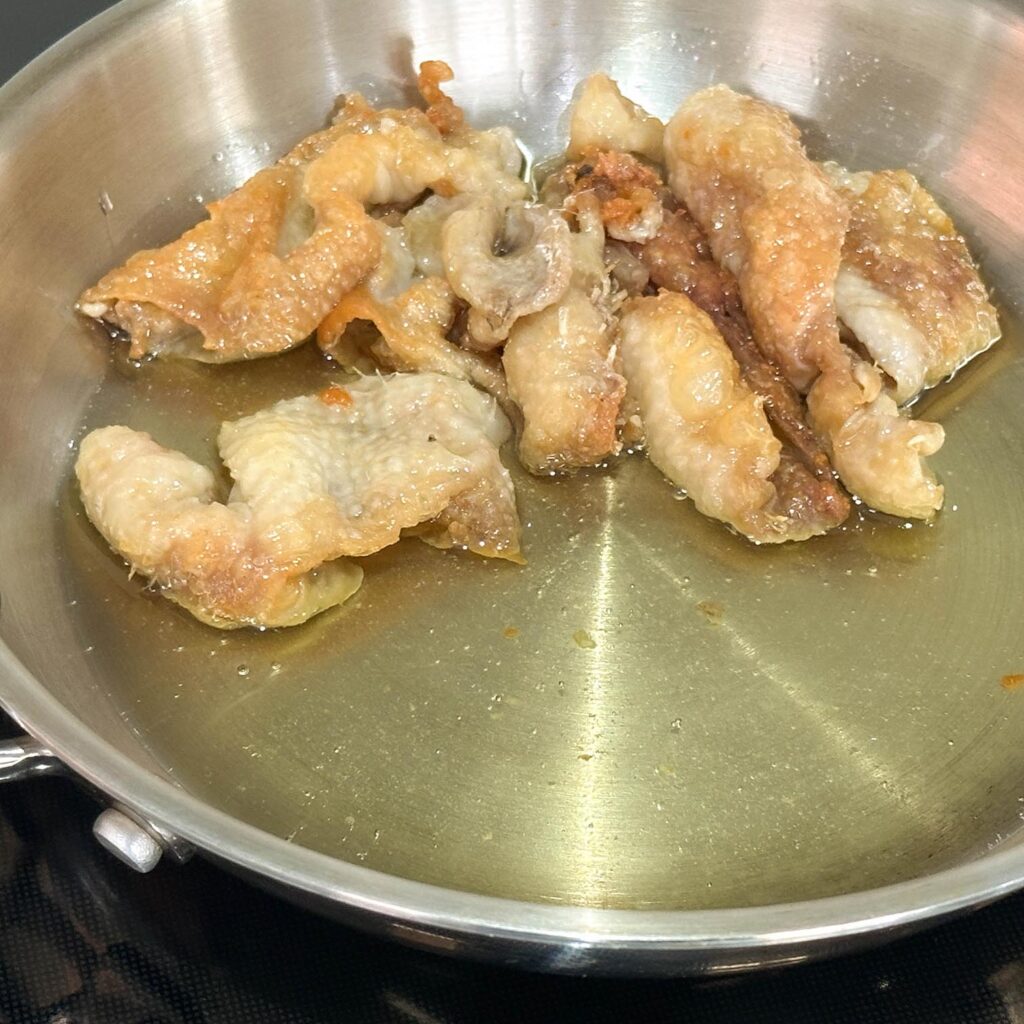
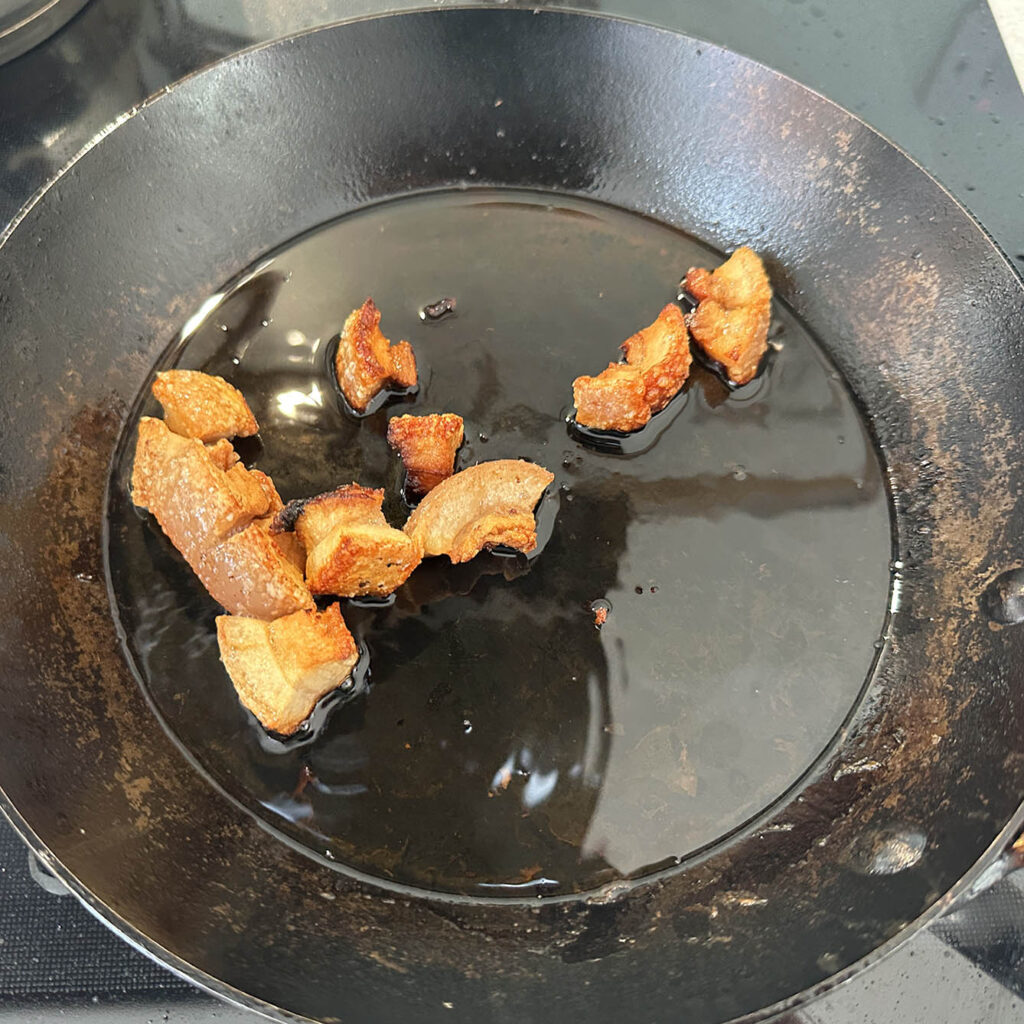
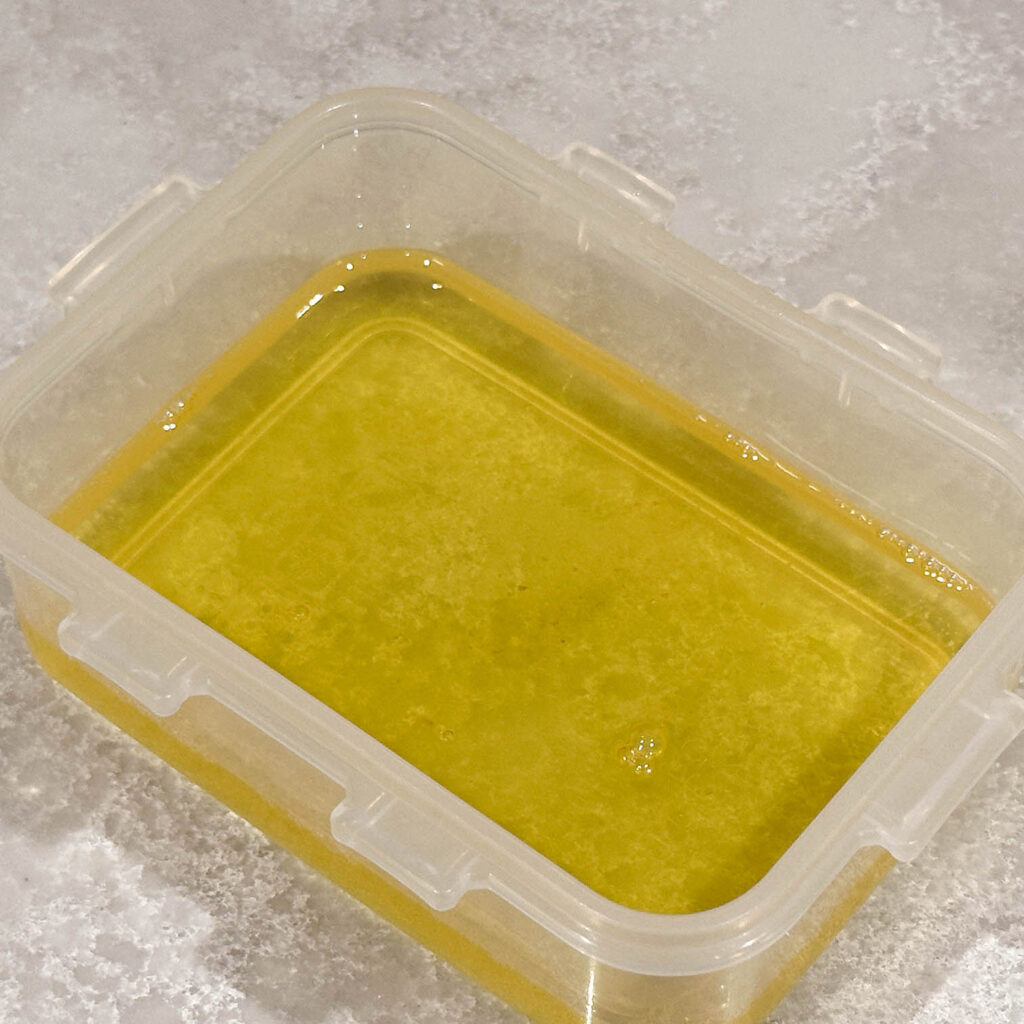
Once you’re happy with how much fat you have, turn off the heat and allow to cool. Then pass the oil through a fine mesh sieve to strain and store in a container.
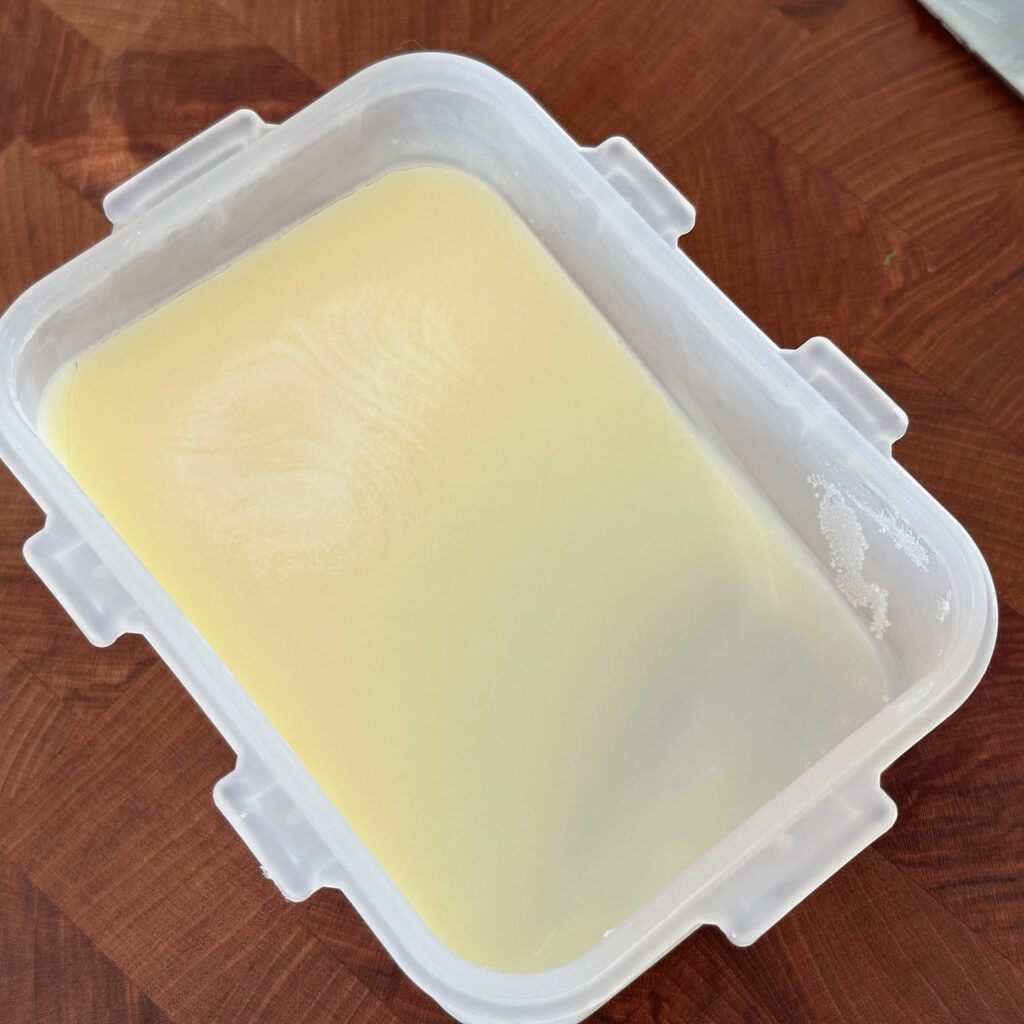
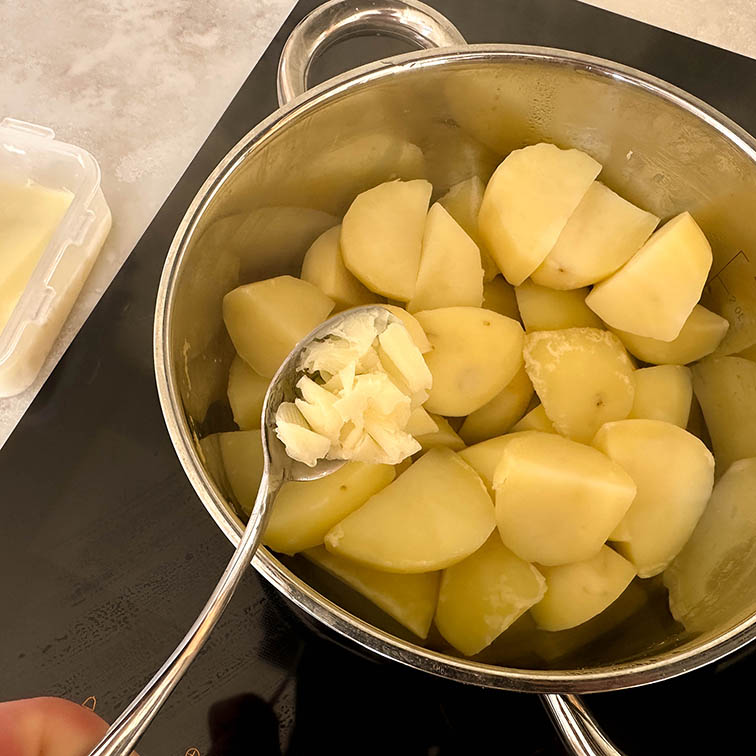
Your fat will then keep on the side for a few weeks, in the fridge for a good few months, or for a year+ in the freezer, which is my preference. It is a little hard to portion off when frozen, but not too hard. You could portion in to smaller sizes, or scrape with a spoon.
Roasting
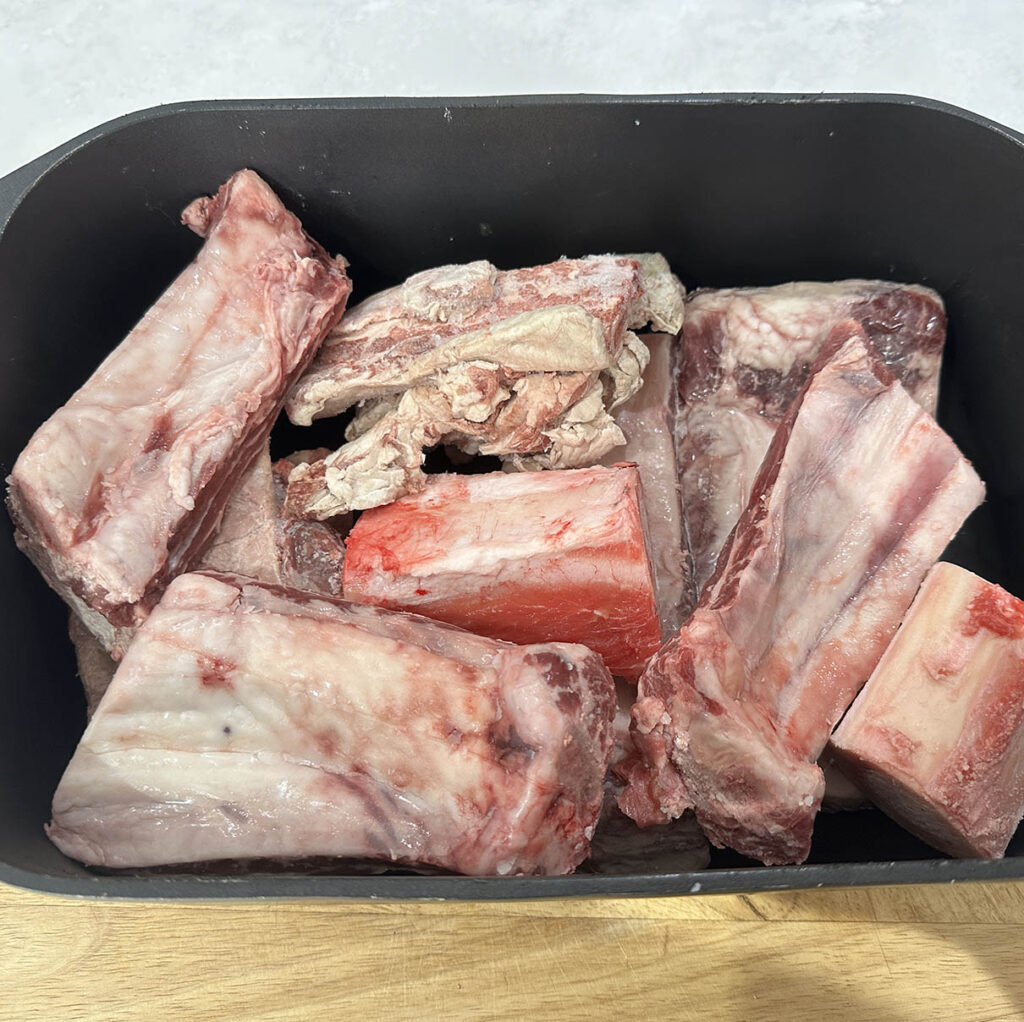
Another simple way is do roast your fats and even bones/carcasses if you have them, in the oven. Do this on 220 to make sure it is hot enough to render down that fat quickly and effectively. around 40 minutes should be enough, though you can check throughout. You can then strain and portion up as above.
Stocks
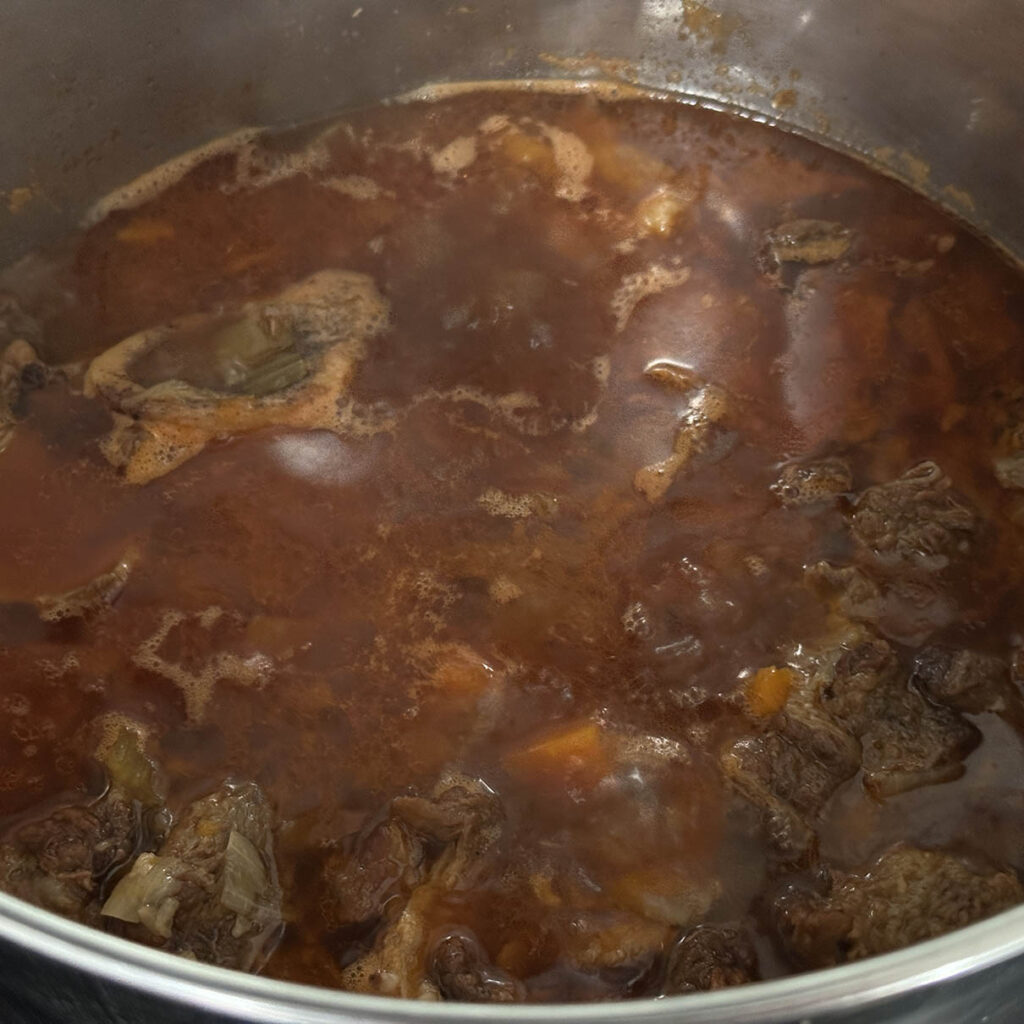
Another great way of making fats, is by making your own stocks. Once strained and cooled the any fat will rise to the top and you can just skim off for use. Stocks are one of the best ways of adding flavour to your meals along with being super nutritious and healthy. Meat stocks contain a great source of collagen for the body, which is great for your skin and bone health. Collagen is hard to absorb, so taking supplements don’t always work as they just pass through the body. However adding it as part of your regular intake of food means its naturally more absorbed over time,
Stocks are the back bone of good kitchen and really elevate your food to the next level, so I always suggest giving them a go. These can also be stored and frozen for use when you need them too.